Innovative Ways to Reduce and Dispose of PPE Waste
Introduction: Addressing the PPE Waste Crisis
Personal Protective Equipment (PPE)--such as masks, gloves, gowns, and face shields--became essential in the fight against infectious diseases, especially during the COVID-19 pandemic. But this surge in PPE use has resulted in an unprecedented waste crisis. Improper disposal and limited recycling options have contributed to environmental pollution, prompting researchers, governments, and industries to seek innovative solutions for reducing and disposing of PPE waste efficiently and sustainably.
In this comprehensive guide, we'll explore cutting-edge approaches, real-world case studies, and practical tips for managing PPE waste. By adopting eco-friendly methods, we can safeguard both public health and the environment for future generations.
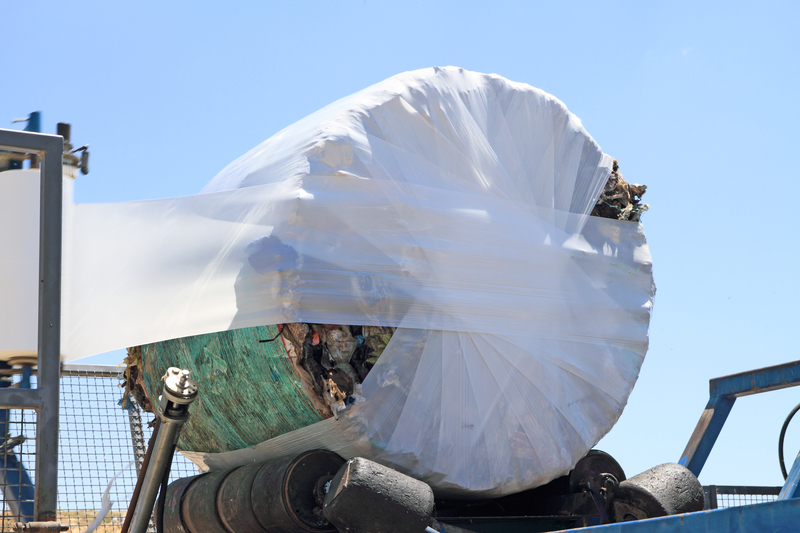
Understanding the Environmental Impact of PPE Waste
First, it's essential to grasp the scale and consequences of improper PPE waste handling:
- Non-biodegradable Materials: Most masks and gloves are made from plastics like polypropylene and polyvinyl chloride, which persist in the environment for hundreds of years.
- Land and Marine Pollution: Discarded PPE items are found littering streets, waterways, and beaches, harming wildlife and leaching microplastics into the ecosystem.
- Infectious Risks: Contaminated PPE poses hazards to sanitation workers and the public if not properly treated and disposed of.
Given these challenges, innovative waste management is more critical than ever.
Key Principles for Sustainable PPE Waste Management
- Reduce: Minimize PPE use where possible without compromising safety.
- Reuse: Sterilize and reuse PPE using advanced cleaning techniques.
- Recycle: Develop closed-loop systems for PPE material recovery.
- Safe Disposal: Employ methods that neutralize contamination and reduce environmental harm.
The following sections detail creative and effective solutions to the PPE waste challenge.
Innovative Ways to Reduce PPE Waste at the Source
1. Adopting Reusable PPE
A simple yet powerful way to reduce PPE waste is by switching from single-use to reusable protective equipment wherever feasible. For example:
- Reusable Cloth Masks: High-quality, washable masks provide adequate protection for the general public and can be used multiple times, dramatically cutting down disposable mask waste.
- Reusable Face Shields and Gowns: Hospitals and laboratories are investing in medical-grade, autoclavable PPE, which can withstand repeated sterilization cycles.
Key benefits: Lower costs, reduced waste, and less environmental footprint.
2. Smart PPE Consumption Campaigns
Many organizations are launching awareness campaigns to encourage:
- Judicious Use: Wearing PPE only when required and in appropriate settings (e.g., not wearing disposable gloves for general shopping).
- Proper Usage Techniques: Training individuals on how to maximize each item's lifespan before disposal.
Such efforts help to minimize unnecessary PPE disposal, especially in non-medical contexts.
3. Innovation in Sustainable PPE Materials
Research is underway to develop biodegradable and compostable alternatives to conventional PPE. Notable examples include:
- Bioplastics: Masks and gowns made from polylactic acid (PLA), derived from corn starch, break down more quickly than petroleum-based plastics.
- Natural Fiber Composites: Gloves and gowns incorporating cotton, hemp, or bamboo fibers offer both durability and reduced environmental persistence.
Adopting these next-generation products is a game changer in PPE waste reduction.
Innovative Ways to Dispose of PPE Waste Responsibly
1. Advanced PPE Recycling Programs
Traditional recycling infrastructure is not equipped to handle contaminated PPE. However, new initiatives are emerging:
- Separation and Collection: Specialized bins for PPE waste collected separately from regular trash help prevent contamination.
- Mechanical Recycling: Technologies shred and melt down used PPE to create plastic pellets, which are then manufactured into construction materials like bricks and tiles.
- Chemical Recycling: Pyrolysis and depolymerization convert polymers in PPE back into monomers or oil, which can be used to produce new plastic goods.
Case Study: Terracycle's PPE Recycling Program has converted tons of discarded masks and gloves into park benches, flooring, and building materials worldwide.
2. Waste-to-Energy Techniques
For PPE items that cannot be recycled, waste-to-energy (WTE) offers a solution:
- Incineration with energy recovery produces electricity or heat while dramatically reducing waste volume.
- Modern WTE plants are equipped with pollution controls to minimize dioxins and particulates.
Combining WTE with strict emissions regulations makes this a viable PPE waste disposal strategy.
3. Sterilization and Safe Landfill Practices
Some PPE must be landfilled due to contamination. Innovative approaches include:
- On-site Sterilization: Autoclaving or ozone treatment renders infectious PPE safe for standard waste streams.
- Engineered Landfills: Modern sanitary landfills use liners and leachate control to prevent environmental contamination and safely contain PPE debris.
These methods help break the chain of infection while safeguarding the environment.
Harnessing Technology: Digital Innovations for PPE Waste Management
1. Smart Bins and Trackers
Smart waste bins equipped with IoT sensors can:
- Monitor PPE Waste Levels: Send alerts when bins are full, ensuring timely collection and preventing overflow.
- Track Contamination: Some sensors detect biological hazards, enhancing worker safety.
2. AI-Powered Sorting
Artificial intelligence (AI)-driven sorting systems use cameras and advanced algorithms to identify PPE waste on conveyor belts, automating separation and improving recycling rates.
3. Apps and Platforms for Reporting PPE Litter
Crowdsourced apps enable citizens to report PPE litter hotspots. These data-driven insights guide municipal cleanup efforts and policy interventions.
Community-Led Solutions and Education
1. Local PPE Recycling Drives
Community organizations can partner with recycling firms to organize PPE collection drives at schools, offices, and public venues, fostering responsible disposal behavior.
2. Public Education Campaigns
- Workshops and Seminars: Teach safe removal, handling, and disposal of used PPE.
- Infographics and Social Media: Visual guides and viral posts spread awareness on reducing and disposing of PPE waste effectively.
Empowered communities play a crucial role in tackling the PPE waste challenge at the grassroots.
Emerging Trends and Future Solutions
- Enzyme-Based Degradation: Scientists are engineering enzymes that rapidly break down plastics found in masks and gloves, potentially revolutionizing PPE degradation.
- Onsite PPE Reprocessing Units: Portable units sterilize and reform PPE waste into reusable resources onsite, especially in hospitals and airports.
- Circular Economy Models: Manufacturers are designing PPE with take-back schemes, ensuring materials re-enter the production cycle instead of becoming waste.
Practical Tips for Businesses and Individuals
- Choose Reusable PPE where appropriate for your workplace or home.
- Set up dedicated PPE waste bins with clear signage to prevent mixing with regular rubbish.
- Support Take-Back Programs and drop used PPE at collection points rather than discarding in public spaces.
- Educate family and colleagues on proper donning, doffing, and disposal techniques to minimize contamination.
- Advocate for sustainable PPE procurement in your organization by sourcing biodegradable or easily recyclable products.

Conclusion: Charting a Sustainable Path Forward
The surge in personal protective equipment usage is unlikely to subside in a world focused on health and safety. However, innovative PPE waste reduction and disposal methods are paving the way toward a more sustainable future. By investing in reusable technologies, supporting advanced recycling initiatives, and fostering public awareness, both individuals and businesses can make significant contributions.
Every step counts. Whether it's simply choosing a reusable mask or participating in community recycling drives, together we can ensure PPE serves to protect people, not pollute the planet.
Frequently Asked Questions (FAQ) about PPE Waste Management
-
What PPE items can be safely reused?
Cloth masks and certain medical-grade face shields and gowns designed for sterilization can be reused according to manufacturer guidelines. -
Is it possible to recycle all types of PPE waste?
Not all PPE can be recycled currently, but ongoing innovations in mechanical and chemical recycling are expanding the range of recyclable items. -
How should I dispose of contaminated PPE?
Contaminated PPE should be double-bagged and placed in designated waste bins, or as directed by local health authorities. -
Are biodegradable PPE items widely available?
Biodegradable PPE is emerging but not yet widespread; supporting their adoption can help manufacturers scale up production.
References and Further Reading
- World Health Organization: How to safely dispose of masks, gloves, and COVID-19 waste
- TerraCycle: PPE Recycling Solutions
- Nature Reviews: Environmental Consequences of Increased PPE Use
For a cleaner, safer planet, let's embrace innovative strategies for reducing and disposing of PPE waste!