Cricklewood Broadway rubbish collection guide for local shops
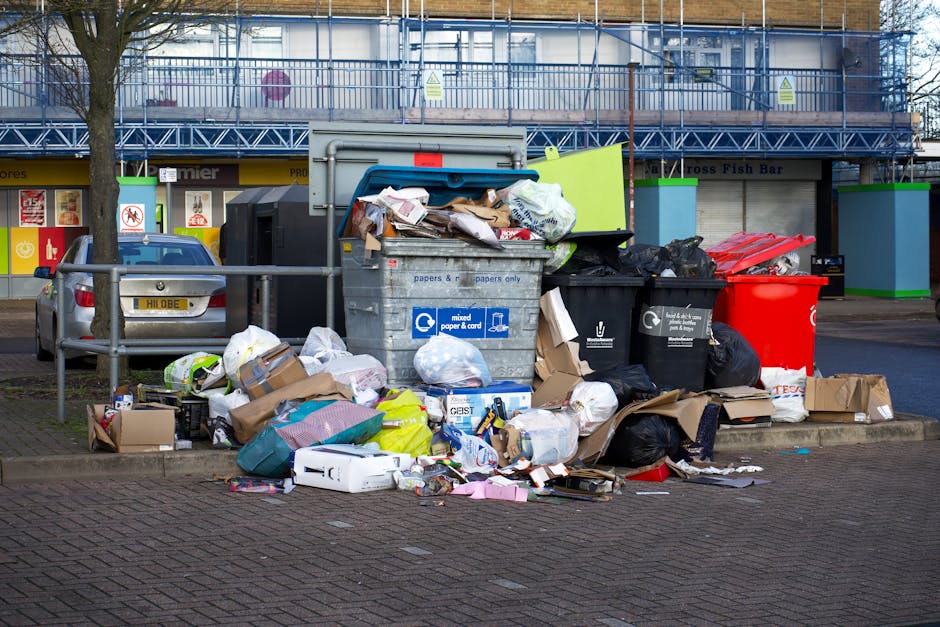
If you run a shop on or near Cricklewood Broadway, rubbish has a way of becoming everybody's problem at once. Boxes pile up after a delivery. Packaging fills the back room. A broken display stand sits there "just for today" and somehow stays for a week. This Cricklewood Broadway rubbish collection guide for local shops is here to make that feel manageable, not messy.
The aim is simple: help local retailers, cafes, takeaways, salons, convenience stores, and service businesses deal with waste in a way that keeps the shop presentable, reduces hassle, and avoids avoidable mistakes. Truth be told, good waste handling is one of those unglamorous jobs that quietly protects your trading day. When it goes wrong, you notice it immediately.
Below, you'll find a practical walkthrough of how collection usually works, what local shops should watch out for, and how to choose a sensible approach. Where relevant, you can also explore our wider business waste removal and waste removal options for more context on handling commercial rubbish responsibly.
- Why rubbish collection matters for shopfronts and stockrooms
- How rubbish collection works on a busy high street
- Key benefits and practical advantages
- Who this is for and when it makes sense
- Step-by-step guidance
- Expert tips for better results
- Common mistakes to avoid
- Tools, resources and recommendations
- Law, compliance and best practice
- Options and comparison table
- Case study or real-world example
- Practical checklist
- Conclusion
- Frequently asked questions
Why Cricklewood Broadway rubbish collection guide for local shops Matters
For local shops, rubbish is not just an operational issue. It affects how customers see your business, how smoothly staff can move around, and how well your premises cope with daily trade. On a busy stretch like Cricklewood Broadway, even a small overflow of waste can make the frontage look untidy within minutes. And let's face it, people do notice.
Good rubbish collection helps in several ways. It keeps doorways clear, reduces odours, cuts down on pests, and makes stock handling easier. It also lowers the chance of staff improvising unsafe storage solutions, such as stacking sacks by exits or squeezing broken packaging behind tills. Those quick fixes often become long-term headaches.
There is also a customer experience angle. A clean back-of-house area usually means a calmer front of house. If your team can quickly move empty cartons, food waste, mixed recyclables, or old fittings out of the way, the whole shop feels better run. In retail, that small sense of order matters more than many owners expect.
For businesses with periodic refurbishments, seasonal display changes, or equipment swaps, a structured rubbish collection plan becomes even more valuable. You may be clearing shelves, replacing fixtures, or dealing with redundant stock. That is where a reliable collection approach stops waste from swallowing your time.
Table of Contents
- Why Cricklewood Broadway rubbish collection guide for local shops Matters
- How Cricklewood Broadway rubbish collection guide for local shops Works
- Key Benefits and Practical Advantages
- Who This Is For and When It Makes Sense
- Step-by-Step Guidance
- Expert Tips for Better Results
- Common Mistakes to Avoid
- Tools, Resources and Recommendations
- Law, Compliance, Standards, or Best Practice
- Options, Methods, or Comparison Table
- Case Study or Real-World Example
- Practical Checklist
- Conclusion
- Frequently Asked Questions
How Cricklewood Broadway rubbish collection guide for local shops Works
In practical terms, rubbish collection for local shops usually follows a repeatable pattern: separate, store, present, and remove. Simple enough on paper. In a real shop, though, each step needs a bit of discipline.
First, waste is separated by type. Typical shop waste may include cardboard, plastic film, mixed packaging, food waste, broken shelving parts, damaged stock, old promotional materials, and the occasional bulky item that no one really wants to talk about. Keeping these streams separate makes collection smoother and can reduce contamination, which is a common issue when everything gets bundled together too quickly.
Next, waste is stored safely until collection. That means using a back-room area, yard space, bin store, or another sensible location that does not block staff movement or create a fire risk. If you are dealing with bulky items, it helps to plan a clear route from storage area to the pickup point. No one wants to wrestle a broken display cabinet past a lunchtime queue.
Then comes presentation. In many businesses, this means having waste ready at an agreed time, in suitable containers or sealed sacks, and in a place where the collection team can access it efficiently. A tidy handover saves time on both sides. It sounds minor, but that part is often the difference between a smooth collection and a frustrating one.
Finally, removal happens. Depending on the type and volume of rubbish, collection can be a one-off clearance, a periodic service, or part of a wider business waste arrangement. Shops with regular packaging waste may need a more structured routine, while others only need occasional help after a stock change or refit.
If your shop has older furniture, fixtures, or storage units that need clearing alongside day-to-day rubbish, it can be useful to look at related services such as furniture disposal or furniture clearance. That is especially relevant during mini refurbishments, when the back room suddenly becomes a graveyard of "temporary" items. We've all seen it happen.
Key Benefits and Practical Advantages
The main benefit of better rubbish collection is obvious: your shop stays cleaner. But the practical gains go further than that.
- Better presentation: A clean frontage helps customers feel comfortable walking in.
- More usable space: Removing clutter from back-of-house areas makes stock handling easier.
- Safer movement: Staff can move without stepping around sacks, boxes, or sharp offcuts.
- Less smell and mess: Especially important for food businesses and high-footfall premises.
- Faster resets: Seasonal changes, deliveries, and small refits become easier to manage.
- Lower stress: Fewer waste pile-ups means fewer last-minute scrambles.
There is also a quieter benefit: better decision-making. Once rubbish is under control, shop owners can see what is truly waste, what can be reused, and what needs specialist removal. That often saves money in the long run. Not always immediately, but over time it adds up.
For businesses that generate heavier or awkward waste during maintenance or fit-out work, a more targeted service can help. You may want to review builders waste clearance if your shop is undergoing small-scale works, or office clearance if you are dealing with desks, cabinets, and workspace furniture from a back office or treatment room.
Who This Is For and When It Makes Sense
This guide is for any local shop that produces regular commercial waste and wants a cleaner, simpler way to deal with it. That includes high-street retailers, convenience stores, barbers, beauty salons, cafes, sandwich shops, vape shops, florists, independent traders, and service businesses with a small customer-facing unit.
It also applies if your shop is in a mixed-use building where rubbish management gets awkward. Shared entrances, narrow service access, and limited bin storage can make a simple task feel like a puzzle. If rubbish collection is already eating into opening hours or staff time, that is usually a sign the process needs tightening up.
This approach makes sense when you are:
- handling more packaging than your current bins can comfortably take
- preparing for a stock rotation, seasonal display change, or store refresh
- clearing old counters, shelving, or storage units
- trying to keep the shopfront tidy during busy trading periods
- dealing with waste that does not fit neatly into standard bins
If your business needs occasional help clearing leftover stock, fixtures, or domestic-style items from staff housing above the shop, useful related services may include flat clearance or home clearance. They are not for every case, of course, but they can be handy when shop operations overlap with living space.
Step-by-Step Guidance
Here is a straightforward way to build a rubbish collection routine that works without overcomplicating it.
- Audit what you throw away.
Spend a week noting the main waste types: cardboard, plastics, food waste, damaged goods, broken fittings, and anything bulky. Most shops are surprised by where the volume really comes from. - Separate waste at source.
Keep cardboard away from general rubbish, and recyclables away from contaminated items. Once mixed, waste is harder to handle and less efficient to remove. - Choose a storage point.
Pick a back-room or designated area that is easy to access but does not block exits, stock movement, or customer routes. Keep it dry if possible. Wet cardboard is a nuisance nobody needs. - Set a collection rhythm.
Decide whether waste should leave daily, weekly, or after specific busy periods. Shops with delivery-heavy schedules usually benefit from a more regular routine. - Keep bulky items separate.
Old shelving, damaged furniture, and display units should not be left with loose packaging. Group them so they can be removed efficiently. - Use a written checklist.
Nominate who moves what, when it is put out, and where it goes. A tiny process note can prevent a lot of "I thought someone else did it." - Review the system monthly.
Waste levels change with seasons, sales, and refits. If the system starts to slip, adjust it before clutter becomes normal.
A good rule of thumb: if rubbish takes more than a few minutes each day to manage, the process probably needs simplifying. It should support your shop, not become another job that steals attention from customers.
Expert Tips for Better Results
In our experience, the shops that manage waste best usually do a few small things consistently rather than trying one big fix.
Keep collection points boring. That sounds odd, but it helps. The best waste area is the one nobody has to think about. Clear signage, consistent placement, and simple access all reduce mistakes.
Flatten cardboard immediately. It saves a surprising amount of space. Waiting until the end of the day is fine; waiting until Friday afternoon is not, especially in a narrow stockroom.
Store sharp or awkward items safely. Broken glass, metal offcuts, and damaged fixtures can create snagging and injury risks. Use proper containers where needed and keep them away from general handling zones.
Match your collection to your busiest hours. A collection team arriving during peak customer flow is a small disaster. If you can, schedule around opening lulls or early-morning prep windows.
Build in a "just in case" buffer. Shops rarely waste exactly the same amount every day. A small buffer area prevents overflow when deliveries are bigger than expected or weekend trade is busier than usual.
If sustainability matters to your business, keep an eye on what can be reused, repaired, or recycled before it goes into general waste. Our recycling and sustainability information is a useful place to start if you want a more responsible disposal mindset without turning it into a lecture. Nobody needs a lecture at 8 a.m.
Common Mistakes to Avoid
Most waste problems in small shops are not dramatic. They are just the result of a few repeat mistakes that stack up over time.
- Mixing everything together. It seems efficient at first, but it makes collection slower and less tidy.
- Leaving waste by exits. Fire routes and customer access should always stay clear.
- Forgetting bulky items. One damaged counter can sit for weeks if nobody formally assigns it for removal.
- Assuming one bin system fits all. Many shops need more than a standard bin and a dustpan approach.
- Not training staff. Waste handling should not depend on memory alone.
- Ignoring seasonal peaks. Christmas packaging, sale stock, and refurbishment waste can swell fast.
Another common issue is waiting until the area looks bad before acting. By then, the clutter has already started to affect flow and morale. It is much easier to fix a small waste routine than to rescue a whole room from a pile of old boxes, cardboard sleeves, and half-used materials.
Tools, Resources and Recommendations
You do not need a huge toolkit to manage shop rubbish well. A few practical items go a long way.
- Heavy-duty bins or sacks: Useful for separating general waste from recyclables.
- Cardboard cutters and flattening tools: Help reduce volume quickly and safely.
- Labelled storage containers: Make it clear where different waste types belong.
- Trolley or dolly: Handy for moving bulky packaging without dragging it through the shop.
- Gloves and basic handling gear: Practical for staff dealing with sharp or dirty items.
- Simple waste log: A notebook or digital sheet that records what goes out and when.
For shop owners who want more structured support, it can also help to review service pages that cover larger or less predictable clearances. For example, garage clearance may be relevant if you store surplus stock or unused fixtures off-site, while loft clearance can be useful for upper-floor storage areas with old shop materials. Not every business needs these services, but they are worth knowing about.
And if you want a clearer picture of what a removal service might involve, the about us page is a sensible place to understand how the business approaches its work and what standards it aims to keep. For pricing questions, the pricing and quotes page is also useful when you are comparing options.
Law, Compliance, Standards, or Best Practice
Local shops should take rubbish handling seriously because waste is not just about tidiness. It can affect safety, hygiene, access, and business duty of care. While the exact requirements vary depending on the type of business and waste stream, the safest approach is to keep commercial waste properly stored, separated where practical, and collected by a suitable service.
For food businesses, the standards are usually stricter because of odour, contamination, and hygiene concerns. For retail businesses, the big issues are often fire safety, access, and avoiding fly-tipping through poor storage or weak contractor control. In practical terms, the question is simple: can you show that your waste is handled responsibly and not left to create a hazard?
Best practice usually includes the following:
- keeping waste off the public pavement except at collection time
- not blocking fire exits, delivery routes, or shared access areas
- separating recyclable materials where reasonably possible
- using reputable collectors with clear terms and safe handling methods
- making sure staff know what goes where
If your business stores tools, equipment, or old stock in a way that creates manual handling risks, our health and safety policy and insurance and safety information may help you understand the standards behind safer collection work. For payment expectations, see payment and security, and for service terms, review the terms and conditions. That may sound a bit formal, but it is better to know the rules before the rubbish turns into a problem.
Options, Methods, or Comparison Table
Different shops need different rubbish-handling methods. Here is a simple comparison to help you decide what fits your day-to-day reality.
| Method | Best for | Pros | Limitations |
|---|---|---|---|
| Daily in-house sorting | Small shops with low to moderate waste | Cheap, simple, easy to control | Can become messy if staff are not consistent |
| Scheduled collection service | Busy shops with regular packaging or general waste | Predictable, tidy, reduces overflow | Needs planning and a reliable collection rhythm |
| One-off clearance | Refits, stock changes, equipment replacement | Removes bulky items quickly, clears space fast | Not ideal for ongoing daily waste |
| Mixed approach | Most independent shops | Flexible, practical, cost-aware | Requires a bit of review to avoid duplication |
For many Cricklewood Broadway shops, the mixed approach is the sweet spot: daily sorting for regular waste, plus occasional specialist collection for bulky or awkward items. That keeps the system flexible without becoming fussy.
Case Study or Real-World Example
Picture a small independent shop on Cricklewood Broadway that sells household essentials and seasonal goods. The team receives deliveries most mornings, and by early afternoon the back room is full of flattened boxes, plastic wrap, damaged cartons, and the odd broken shelf panel from a recent display update.
At first, staff tried to "deal with it later." That usually meant later becoming tomorrow, and tomorrow becoming Thursday. The back room started to shrink, staff movement got awkward, and one delivery driver had to wait while boxes were shuffled aside. Nothing catastrophic. Just irritating enough to slow the day down.
They solved it by creating three clear zones: one for cardboard, one for general waste, and one for bulky items that needed separate collection. They also set a twice-weekly removal window and added a short handover checklist for closing staff. The result was not glamorous, but it worked. The shop felt calmer, the storage space opened up, and the team stopped wasting time on repeated tidy-ups.
That sort of change is typical. You do not always need a dramatic overhaul. Often, the best fix is just a system that people can actually follow on a busy Tuesday.
Practical Checklist
Use this quick checklist to keep your shop waste under control.
- Identify your main waste streams
- Separate recyclables from general rubbish
- Assign a safe storage point
- Keep fire exits and customer paths clear
- Flatten cardboard as soon as possible
- Keep bulky items out of the main waste stream
- Set a collection schedule that matches trading patterns
- Train staff on where waste goes
- Review the system after busy periods or refits
- Use a reputable removal provider for non-routine waste
If you are unsure where to begin, start with the area that causes the most friction. For some shops it is packaging. For others it is old stock. For a few, it is the back-room pile that has quietly become part of the furniture. That bit happens more than people admit.
Get a free quote today and see how much you can save.
Conclusion
A well-run rubbish collection routine is one of those behind-the-scenes systems that makes a shop feel easier to run. On Cricklewood Broadway, where space is precious and trade can be busy from the moment you unlock the door, tidy waste management protects presentation, staff movement, and overall peace of mind.
The best approach is usually straightforward: separate waste sensibly, store it safely, collect it consistently, and call in help when the rubbish is too bulky, too frequent, or too awkward to handle alone. Keep the process simple enough that your team will actually follow it. That is the whole game, really.
If you are ready to reduce clutter, improve back-of-house flow, and make shop operations a little less chaotic, start with one small change this week. It may not be flashy, but it will be felt every single day.
Frequently Asked Questions
What is the best rubbish collection setup for a small shop on Cricklewood Broadway?
For most small shops, the best setup is a simple mixed system: separate cardboard and recyclables, keep general waste in a fixed storage point, and arrange collections around trading patterns. If bulky items appear now and then, add a one-off clearance option rather than forcing everything into the daily routine.
How often should local shops arrange rubbish collection?
It depends on waste volume, opening hours, and storage space. Some shops need daily attention for packaging, while others manage well with weekly removal. The key is to avoid overflow. If staff are constantly working around waste, the schedule is too loose.
Can a shop put all waste into one bag to save time?
You can, but it is usually a poor idea. Mixed waste takes up more space, can smell worse, and is harder to handle responsibly. Separating waste at source is usually quicker in the long run, even if it feels slower for the first few days.
What kind of waste creates the biggest problems for shops?
Cardboard, bulky packaging, broken display units, and leftover stock often cause the most frustration. They are awkward, they take up space quickly, and they tend to linger if nobody formally assigns them for removal.
Do local shops need a specialist service for bulky waste?
Often, yes. Items like shelving, cabinets, shop fittings, and old furniture are easier to remove through a specialist clearance service than through ordinary waste handling. That is especially true if access is tight or the item is too large for standard bins.
How can I keep the shopfront tidy during busy periods?
Schedule collections away from peak customer times, flatten packaging immediately, and make sure there is a clear internal route from stockroom to collection point. Small habits matter more than people think. A neat frontage sets the tone before anyone even comes inside.
What should I do with broken furniture or old fixtures from the shop?
Set them aside separately and arrange a suitable removal method rather than mixing them with everyday rubbish. Services such as furniture clearance or furniture disposal can be useful if the items are too bulky or awkward for normal collection.
Is there a legal risk if rubbish is left outside the shop too long?
There can be, especially if waste blocks access, creates a nuisance, or makes an area unsafe. The exact obligations depend on the situation, but good practice is to keep rubbish secure, out of the way, and collected promptly. If in doubt, treat the pavement like a shared space, not a storage area.
How do I choose between a one-off clearance and regular collection?
Use regular collection for the waste you generate every week, such as packaging and general rubbish. Choose a one-off clearance when you are dealing with a refit, a stock purge, or a large item that will not be repeated. Many shops end up using both at different times.
Can waste management help with staff productivity?
Yes. A clean, predictable waste system saves time, reduces interruptions, and makes stock handling easier. Staff spend less energy moving things out of the way and more energy serving customers. That sounds obvious, but in a busy shop it really does make a difference.
Where should I start if my waste area is already messy?
Start by clearing anything unsafe or bulky, then separate the remaining rubbish into broad categories. After that, set a simple collection plan and keep the rules visible. Do not try to perfect everything in one day. A workable system is better than a perfect one that nobody uses.
How do I know if I need help from a professional clearance team?
If waste is taking up selling space, slowing staff down, or becoming difficult to move safely, it is time to get help. The same applies if you are clearing out after a fit-out, dealing with repeated bulky waste, or trying to improve hygiene and presentation quickly.