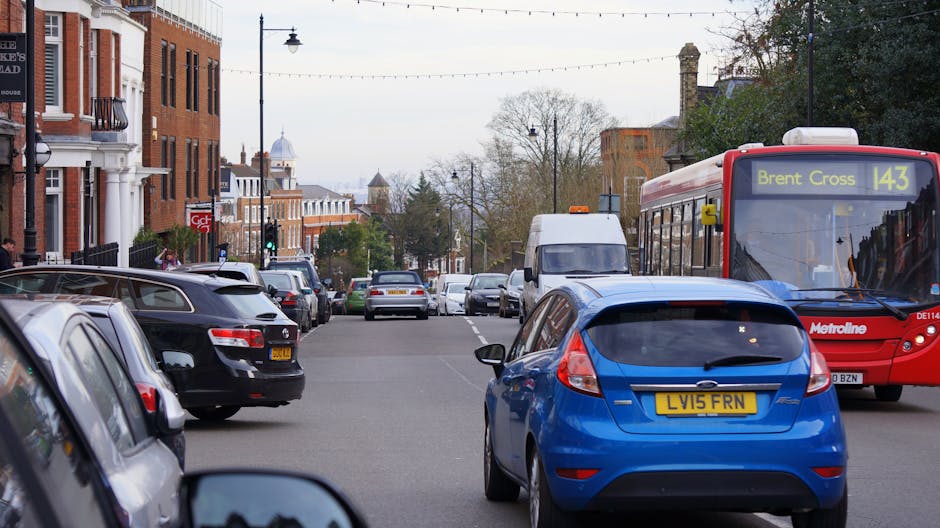
What to know about Brent Council rubbish rules in Cricklewood
If you live in Cricklewood, rubbish rules can feel simple right up until you need to put out a mattress, clear a flat after a move, or deal with a bag that missed collection day. That is usually when the questions start. What counts as household waste? Can you leave items beside the bin? What if you have builders' rubble, old furniture, or a garden cut-back that has turned into a small mountain?
This guide explains what to know about Brent Council rubbish rules in Cricklewood in a plain-English way, with the local realities in mind. The aim is to help you avoid missed collections, fly-tipping risks, and those irritating moments when a pile of waste sits there for another week because it was set out incorrectly. We will also look at when a private clearance option makes more sense, and how to choose the right route without overcomplicating it. Truth be told, rubbish should not require a detective novel.
Table of Contents
- Why Brent Council rubbish rules in Cricklewood matter
- How the rubbish rules work in practice
- Key benefits and practical advantages
- Who this is for and when it makes sense
- Step-by-step guidance
- Expert tips for better results
- Common mistakes to avoid
- Tools, resources and recommendations
- Law, compliance, standards and best practice
- Options and comparison table
- Case study or real-world example
- Practical checklist
- Conclusion
- Frequently asked questions
Why Brent Council rubbish rules in Cricklewood matter
Rubbish rules matter because waste is one of those everyday things that only becomes noticeable when it goes wrong. A bag left out too early can be torn open by gulls, foxes, or passing traffic. A sofa left on the pavement without proper arrangement can attract complaints fast. A bin contaminated with the wrong items may not be emptied at all. And in a busy place like Cricklewood, where streets, flats, shared entrances, and narrow kerbs are part of everyday life, one household's small mistake can quickly become everyone's problem.
There is also a practical side. If you are moving house, renovating a room, or clearing out an overfilled garage, the rules determine what can go in regular bins, what needs a special collection, and what should be handled as bulky or specialist waste. Get it right and life is calmer. Get it wrong and you can end up with odours, clutter, and sometimes enforcement action. Not ideal, obviously.
For landlords, tenants, homeowners, and small businesses, knowing the local approach also saves time. It helps you plan around collection days, separate recyclable materials properly, and decide when services like waste removal or a more specific clearance service is the cleaner option. If you are dealing with furniture, for example, the path is often different from general black-bag waste. That simple distinction matters more than people expect.
Key takeaway: In Cricklewood, good rubbish management is not just about tidiness. It is about avoiding missed collections, reducing nuisance, and making sure waste is handled in a way that is safe, lawful, and neighbour-friendly.
How Brent Council rubbish rules in Cricklewood works
The basic structure is straightforward. You separate waste into the right type, store it safely, and present it for collection according to the local schedule or the approved collection method. In practice, the details can vary depending on the waste stream, property type, and volume.
1. General household waste
This is the everyday waste from kitchens, bathrooms, and general living spaces: food packaging, non-recyclable wrappers, tissues, and similar items. The important bit is not to overload your bin and not to mix in materials that should be recycled separately. A bin lid that will not close properly often invites problems. It can also lead to items being left behind. Simple, but easy to forget when you are in a hurry.
2. Recycling and mixed materials
Recycling usually works best when items are kept clean and reasonably sorted. Cardboard that is soaked in grease, for instance, is less useful than dry cardboard. Broken glass should be handled carefully and, where allowed, wrapped to reduce injury risk. If you are unsure whether something belongs in recycling or general waste, it is better to check than guess. Guessing is how people end up with a bin full of the wrong stuff and a small headache.
3. Bulky items
Furniture, mattresses, white goods, and other large items usually require a separate arrangement rather than being left out with standard bins. This is especially relevant in flats and converted properties where shared storage space is tight. A bulky item sitting in a communal hallway is not just inconvenient; it can become a fire and access issue. In many cases, a service such as flat clearance or furniture disposal can be a more practical route than trying to patch together a plan from standard bin collections.
4. Garden waste
Grass cuttings, hedge trimmings, leaves, branches, and soil each behave differently. Some councils or collection arrangements handle garden waste separately, while heavier organic material may need special treatment. If you have just finished a weekend tidy-up and the garden smells fresh but looks like a small compost factory, it may be better to use a dedicated garden clearance option rather than forcing the lot into ordinary refuse.
5. Builders' waste and renovation debris
Plasterboard, rubble, tiles, timber offcuts, packaging from fixtures, and similar materials do not belong with routine household refuse. They are heavier, messier, and often need separate handling. A home refresh can create a lot more debris than people expect. One skipped wall, a new bathroom, and suddenly there are bags everywhere. For that kind of load, builders' waste clearance is usually the sensible route.
6. Commercial or office waste
If you run a business, the rules may involve different expectations around storage, segregation, and collection frequency. Office paper, packaging, and confidential material all deserve their own treatment. Small businesses in Cricklewood often underestimate how quickly boxes, old chairs, and packaging accumulate. A good rhythm matters here. If your workplace is getting cluttered, business waste removal can prevent the pile-up before it starts to feel unmanageable.
Key benefits and practical advantages
Following the rubbish rules is not just about staying out of trouble. There are some very real day-to-day benefits.
- Cleaner kerbside presentation: Waste is less likely to spill, smell, or attract pests.
- Fewer missed collections: Properly sorted waste is easier to collect and less likely to be rejected.
- Lower risk of complaints: Neighbours are less likely to object when waste is managed neatly.
- Better recycling outcomes: Sorting waste properly improves the chance that reusable materials are recovered.
- Less stress during clear-outs: You can plan moves, refurbishments, and decluttering around a clear process.
- Safer shared spaces: Hallways, front gardens, and communal entrances stay usable.
There is also a quieter benefit that people only notice later: mental space. A tidy waste plan removes a nagging background worry. You stop thinking, "I'll deal with that pile tomorrow," because, well, tomorrow arrives and there it still is.
For properties with tighter access or limited storage, it is often useful to pair waste planning with the right service model. A house full of mixed items may suit house clearance or home clearance, while lofts, garages, and spare rooms can be tackled through loft clearance or garage clearance. That is often easier than trying to break everything into lots of small disposal decisions.
Who this is for and when it makes sense
This topic is relevant to almost everyone in Cricklewood, but some people need the information more urgently than others.
Homeowners
If you are doing a clear-out, replacing furniture, or preparing a property for sale, knowing the rules helps you avoid putting too much on the street too soon. Homeowners often have a mix of general waste, old belongings, and bulky pieces. That mixture is where confusion starts.
Renters and flat sharers
Shared homes are a classic flashpoint. One person thinks the bins are fine, another thinks the recycling is full, and the hallway somehow ends up with a kettle, a broken chair, and three mystery bags. In flats, timing and communication matter just as much as the rules themselves.
Landlords and letting agents
End-of-tenancy rubbish is a predictable problem. A property can look respectable until the last day, then the loft hatch opens and everything changes. If you manage multiple properties, it can help to have a repeatable plan for flat clearance or home clearance rather than improvising every time.
Small businesses and offices
Office waste is not glamorous, but it adds up quickly. Broken desks, redundant monitors, packaging, and piles of paper create operational friction. The same goes for shops, studios, and back rooms with limited storage. A structured approach keeps your premises usable and presentable.
People doing a one-off project
Maybe you are clearing a garage after years of "I might need that one day" optimism. Maybe you are sorting a garden after winter. Maybe you are moving and just need the whole lot gone. In those cases, one-off clearance tends to be less painful than trying to stretch bin rules beyond their natural limits. Furniture clearance and waste removal are often the practical answer.
Step-by-step guidance
If you want to handle rubbish properly in Cricklewood, the process is easier when you break it into stages. Here is a simple way to think about it.
- Sort the waste by type. Separate general rubbish, recycling, bulky items, garden waste, and construction debris. Do not mix everything together. It creates more problems later.
- Check what can go in normal collections. Smaller household waste usually fits the standard routine. Larger items, hazardous items, and renovation debris usually do not.
- Identify anything that needs special handling. Think fridges, mattresses, paint tins, chemicals, plasterboard, electrical items, or mixed loads of furniture and rubble. These are the awkward bits, and they are awkward for a reason.
- Choose the right collection method. If it is just bagged waste, a regular collection may be enough. If it is a roomful of items or a mixed household clear-out, a dedicated service may save time and reduce hassle.
- Prepare the waste safely. Bag loose rubbish, flatten cardboard where suitable, remove sharp edges, and keep access routes clear. If items are heavy, do not lift them badly just to save a few minutes.
- Present waste at the right time. Timing matters. Put items out according to the relevant collection arrangement, not days early. Early placement can create mess, especially in windy weather.
- Confirm that the area is left tidy. After collection, check for screws, broken glass, stray packaging, or leaky residue. A quick sweep often prevents small complaints later.
That is the broad flow. It sounds obvious written down, but in real life people skip steps two and five all the time, then wonder why the whole thing became annoying. You know the feeling.
Expert tips for better results
A few small habits make a surprisingly big difference.
- Keep a "to dispose" corner: Set aside one spot for items that need clearing. It stops waste from spreading across the whole house.
- Deal with bulky items early: Do not leave a sofa or wardrobe until the last hour before a move. Bulky waste creates bottlenecks.
- Separate reusable items: If something can be reused, donated, or repurposed, decide that before it ends up as mixed waste.
- Photograph mixed loads: A quick photo helps if you need a quote or want to confirm what is being collected.
- Use proper packaging for sharps and breakables: Tape, wrap, and label where sensible. It protects anyone handling the load.
- Measure access before booking: Narrow stairwells, tight front paths, and basement steps can all affect how a clearance is carried out.
If you are weighing up options, it also helps to think in terms of disruption rather than just price. A cheaper but awkward approach can cost you more time, more lifting, and more frustration. Sometimes the straightforward route is the real bargain.
For instance, if you are clearing a mix of old chairs, a damaged wardrobe, and a few bags of general waste, it may be more efficient to combine furniture disposal with a broader waste removal service rather than booking separate solutions later on.
Common mistakes to avoid
Most rubbish problems in Cricklewood come from a short list of avoidable errors.
- Leaving waste out too early: It can create visual clutter and attract attention from pests or passers-by.
- Mixing prohibited items with ordinary rubbish: Batteries, chemicals, and electricals need more care than general waste.
- Overfilling bins: If the lid will not close, collections may be refused.
- Dumping furniture beside communal bins: Shared spaces are not a spare storage area.
- Ignoring access issues: A collection plan that works on paper may fail if there is no safe route for lifting or loading.
- Assuming all waste is the same: It really is not. Garden waste, building waste, and household rubbish each behave differently.
- Forgetting to check the final tidy-up: Tiny shards, screws, and packaging can cause the next problem.
One classic mistake is underestimating the amount of stuff produced by a small project. Remove one cupboard and suddenly there are fittings, backing boards, dust, and a heap of old jars you forgot lived at the back. Funny how that happens, isn't it?
Tools, resources and recommendations
You do not need fancy equipment to manage rubbish well, but a few simple tools help.
- Heavy-duty bin bags: Better for sharp or bulky loose waste than thin bags that split halfway down the path.
- Work gloves: Handy for lofts, gardens, garages, and anything with rough edges.
- Tape and dust sheets: Useful when wrapping furniture or containing fine debris.
- Marker pen and labels: Great for separating keep, donate, recycle, and dispose piles.
- Measuring tape: Helpful if you are moving bulky items through tight stairwells or doors.
- Skip or clearance quote notes: Keep a rough list of what needs removing so you can compare options properly.
For people who want more structure, the most useful website pages are usually the ones that answer practical next steps: pricing and quotes if you want to plan cost, recycling and sustainability if you want to understand disposal standards, and insurance and safety if you are concerned about how the work is carried out. Those details can matter more than people expect once a job gets a bit bigger.
Law, compliance, standards and best practice
Waste in the UK is governed by a mix of legal duties, local collection rules, and everyday best practice. You do not need to memorise legislation to do the right thing, but you should understand the broad principles.
First, waste should be presented and handled in a way that does not create a nuisance, hazard, or unlawful dumping risk. Leaving waste where it should not be left can lead to complaints or enforcement. That is especially relevant around shared entrances, pavements, and front gardens in denser parts of Cricklewood.
Second, different waste types may have different treatment requirements. Household rubbish, recyclable materials, electrical items, mattresses, plasterboard, and garden waste should not all be treated as interchangeable. They are not interchangeable, despite what a rushed Sunday clear-out might suggest.
Third, if you hire someone to remove waste, you should be confident they operate safely and responsibly. Good practice usually includes proper loading, sensible segregation where possible, and care around recyclable or reusable items. It is fair to ask how waste is handled and whether the provider follows clear safety and disposal procedures.
For businesses, compliance is even more important. Office and commercial waste should not be left to drift into domestic bins unless that is specifically allowed and appropriate. Good record-keeping, sensible collection planning, and a proper chain of responsibility help avoid problems later.
If you are uncertain about a particular item, the safest approach is not to guess. Pause, identify it, and choose the proper route. That small delay usually saves more time than it costs.
Options and comparison table
People in Cricklewood usually have three practical routes: use standard council collection where appropriate, arrange a specialist bulky collection, or book a private clearance service. The right choice depends on the type and volume of waste, plus how quickly it needs to go.
| Option | Best for | Advantages | Limitations |
|---|---|---|---|
| Standard council collection | Everyday household waste and routine recycling | Convenient for regular use; designed for normal domestic waste | Not suitable for large items or mixed clear-outs; timing and sorting need to be right |
| Special bulky collection | Large household items such as sofas, wardrobes, and mattresses | Handles items that do not fit in bins; less hassle than trying to DIY transport | May require booking, preparation, and specific presentation rules |
| Private clearance service | Mixed loads, time-sensitive clear-outs, garden waste, office waste, or renovation debris | Flexible, fast, and useful for awkward access or larger jobs | Cost depends on volume and complexity; you need a trustworthy provider |
If your waste is mostly regular and predictable, standard collection is usually enough. If you are looking at three rooms of clutter, two broken cabinets, and a bag of random screws that seems to multiply overnight, a clearance service is often the cleaner answer.
Case study or real-world example
A common Cricklewood scenario goes like this. A small family is moving out of a two-bedroom flat. In the last week, they realise the hallway cupboard contains old paint tins, the bedroom has a broken bed frame, the kitchen has several bags of mixed rubbish, and the balcony has damp cardboard plus a rusted chair. On paper, none of it looks huge. In practice, it is a scattered mess across a property with narrow stairs and limited parking. Lovely.
The family starts by separating obvious general waste from items that need more care. The bedding and old chair are identified as bulky furniture. The paint tins are set aside because they should not be handled like ordinary rubbish. Cardboard is flattened and checked for contamination. Then, rather than trying to move everything in one rushed trip, they arrange a proper clearance and combine the furniture and mixed waste into a single plan. The move becomes manageable again.
The important lesson is not that everyone needs the same service. It is that waste becomes much easier to deal with once you stop treating it as one vague pile. The moment you sort it, the whole job feels lighter.
Practical checklist
Use this checklist before you put out rubbish or book a clearance:
- Have I separated general waste, recycling, bulky items, garden waste, and renovation debris?
- Have I checked whether anything needs special handling?
- Are bags closed, labelled if needed, and safe to lift?
- Is the waste being put out at the right time?
- Is the collection point clear and accessible?
- Have I removed sharp items or wrapped them properly?
- Do I know whether the load is best handled through council collection or a private service?
- Have I confirmed the final area will be left tidy?
If you can tick most of those off, you are in good shape. If not, slow down a bit. Waste jobs usually go better when they are not rushed at the last second.
Conclusion
What to know about Brent Council rubbish rules in Cricklewood comes down to a few simple habits: separate waste properly, present it safely, respect the collection process, and use the right route for bulky or mixed items. Most of the stress people feel around rubbish comes from trying to squeeze the wrong waste into the wrong system. Once you stop doing that, things get much easier.
For everyday bin use, the main goal is neatness and compliance. For bigger clear-outs, the smarter move is often a dedicated clearance solution that fits the actual job. That might be a flat, loft, garage, garden, office, or furniture clear-out. Choosing the right method protects your time, your property, and your neighbours' patience. And that matters. More than people like to admit.
Get a free quote today and see how much you can save.
When rubbish is handled well, a home or workplace feels calmer almost instantly. You notice the cleared floor, the easier access, the quieter corner. Small win, yes - but sometimes small wins are exactly what keep a busy week from tipping over.
Frequently Asked Questions
What is the main thing to know about Brent Council rubbish rules in Cricklewood?
The main thing is to separate waste correctly and use the right collection method for the right type of rubbish. Ordinary household waste is usually simple, but bulky items, garden waste, and renovation debris normally need a different approach.
Can I leave a sofa or mattress by the bins?
Usually not as a casual drop-off. Bulky items often need a specific collection or a dedicated clearance arrangement. Leaving them by communal bins or on the pavement can create access issues and complaints.
What should I do with builders' rubble or renovation waste?
Builders' rubble, plasterboard, timber offcuts, tiles, and similar debris should be treated separately from normal household waste. For bigger jobs, a specialist builders' waste clearance is often the most practical solution.
How do I know if something is recycling or general waste?
If it is clean, dry, and part of the accepted recycling stream, it may be suitable for recycling. If it is contaminated, greasy, mixed with food waste, or broken in a way that makes sorting difficult, it may need to go in general waste. When in doubt, check before mixing items together.
What happens if I overfill my bin?
If the lid cannot close properly, the bin may be left unemptied. Overfilled bins also make the area messier and can attract pests or windblown litter, which nobody wants.
Is it better to book a clearance service or wait for council collection?
That depends on the job. If you only have standard household waste, council collection may be enough. If you have mixed items, lots of bulky waste, or limited time, a private clearance service is often faster and less stressful.
Can business waste go in domestic bins in Cricklewood?
Not usually as a general rule. Business waste should be managed separately and in line with commercial collection arrangements. Offices and small businesses often benefit from a dedicated business waste removal plan.
What is the safest way to deal with sharp or broken items?
Wrap them securely, seal them so they will not cut through bags, and keep them separate from loose waste. If the item is large or hazardous, it may need special handling rather than ordinary collection.
How should I prepare waste before collection?
Bag loose rubbish, flatten cardboard where suitable, remove obvious hazards, and keep access routes clear. If you are moving large items, measure doorways and stair access first. That one small check can save a lot of effort.
What if I live in a flat with limited bin space?
Shared properties often need more planning than houses. Keep communal areas clear, avoid blocking exits, and use the right service for bulky items. Flat clearances are often a better fit when several things need to go at once.
Can garden waste be mixed with household rubbish?
It is usually better not to mix them. Garden waste behaves differently from general rubbish, and separating it helps with disposal and any recycling or composting routes that may be available.
How do I choose a trustworthy waste removal provider?
Look for clear pricing, sensible safety practices, and an approach that feels straightforward rather than vague. It also helps to check how the provider handles recycling, access, and insurance. A good company should make the process easier, not murkier.