Willesden Lane Access Tips for Cricklewood Waste Removal Jobs
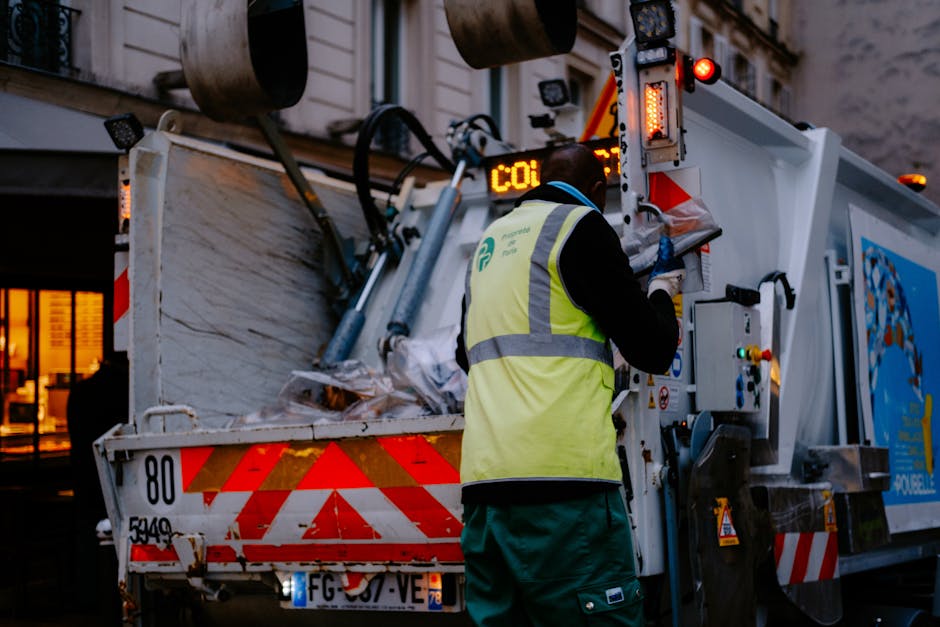
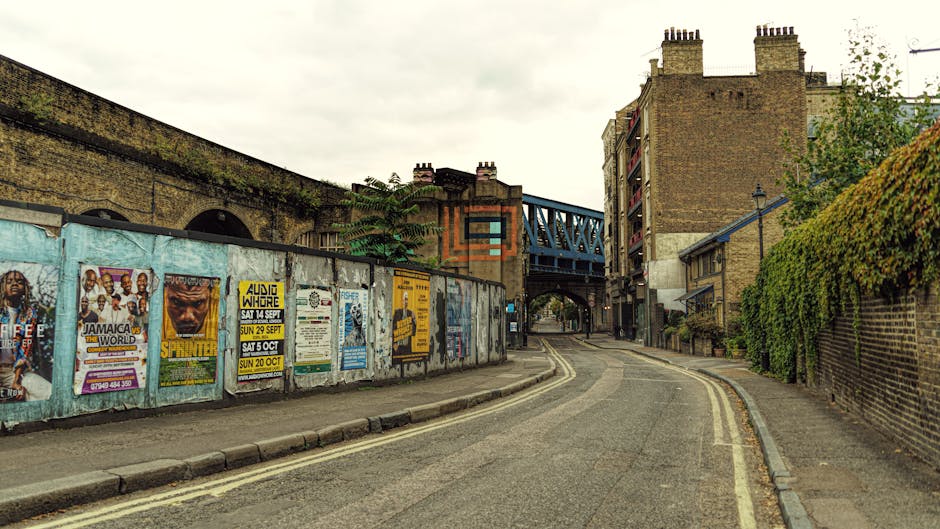
If you are arranging a clearance in Cricklewood, the access side of the job can make or break the day. Willesden Lane looks straightforward enough on a map, but anyone who has tried to move bulky waste through tight streets, shared entrances, parked-up bays, and awkward loading spots knows the reality is a bit messier. These Willesden Lane access tips for Cricklewood waste removal jobs are designed to help you plan properly, avoid delays, and keep the collection as calm as possible. No drama, no guesswork. Just practical steps that save time, reduce hassle, and make the whole visit feel more organised.
Whether you are clearing a flat, a house, a loft, or a shop unit nearby, access planning matters because waste removal is rarely just about lifting items. It is about getting to them safely, getting them out efficiently, and doing it without upsetting neighbours, traffic flow, or your own schedule. Let's face it, nobody enjoys standing by the kerb at 8 a.m. wondering where the van is going to stop.
Table of Contents
- Why Willesden Lane access tips for Cricklewood waste removal jobs matters
- How Willesden Lane access tips for Cricklewood waste removal jobs works
- Key benefits and practical advantages
- Who this is for and when it makes sense
- Step-by-step guidance
- Expert tips for better results
- Common mistakes to avoid
- Tools, resources and recommendations
- Law, compliance, standards, or best practice
- Options, methods, or comparison table
- Case study or real-world example
- Practical checklist
- Conclusion
- Frequently asked questions
Why Willesden Lane access tips for Cricklewood waste removal jobs Matters
Access is the difference between a tidy, efficient clearance and a job that drags on with a lot of back-and-forth. In a place like Cricklewood, where roads can be busy, parking can be limited, and buildings often sit close to the pavement, the route from item to vehicle needs thought. That is especially true if the waste is coming from upper floors, rear gardens, basements, or communal areas.
When access is planned well, the team can load faster, reduce manual carrying distance, and keep damage risk down. When it is not, you get bottlenecks: items left in hallways, awkward lifts on stairwells, and a van that cannot stop where it should. It sounds small on paper, but in real life it can add a surprising amount of friction. One narrow gate or a badly timed arrival can change the whole rhythm of the visit.
For customers, access planning also helps with expectations. You know whether a clearance is likely to need a two-person team, whether furniture has to be dismantled, or whether a permit-style bay hold is worth considering. That kind of clarity is reassuring. It also means fewer last-minute surprises, which is always the goal.
If your job involves mixed materials, builder's rubble, broken furniture, or general household clutter, you may also want to look at related services such as waste removal, builders waste clearance, or house clearance so the access strategy matches the type of load, not just the postcode.
How Willesden Lane access tips for Cricklewood waste removal jobs Works
The basic idea is simple: you inspect the access route before the collection day, identify the bottlenecks, and make small changes that improve flow. In practice, that means looking at the street outside, the route from property to vehicle, the type of waste, and the amount of manual carrying involved.
A good access plan usually starts with five questions:
- Where can the vehicle safely stop?
- How far is the carry from the waste to the loading point?
- Are there steps, tight corners, or narrow doors?
- Will anything need dismantling first?
- Is there enough space for neighbours, pedestrians, and the crew to move without tension?
For example, a ground-floor flat on a busier stretch may still be quick if there is a clear front entrance and easy kerbside loading. A rear-access job in a mews-style property can be the opposite: less traffic, but more walking, more gates, and maybe a tricky path that turns a simple sofa removal into a proper workout.
The best waste removal teams do not just "turn up and hope". They adapt. If the route is tight, they may bring the right trolley, split the load, protect walls and door frames, or ask for items to be staged near the exit before arrival. That is not overthinking. That is basic efficiency.
Key Benefits and Practical Advantages
Good access planning brings benefits that are easy to feel on the day and even easier to notice when they are missing.
- Faster loading: Shorter carry distances usually mean quicker turnaround.
- Lower risk of damage: Fewer tight turns and less dragging through hallways.
- Better safety: Crew members can move more confidently when the route is clear.
- Less disruption: Neighbours and passers-by are not left weaving around obstacles.
- More accurate pricing: Clear access helps estimate labour and time more fairly.
There is also a softer benefit that people sometimes overlook: peace of mind. When access is sorted early, the collection feels controlled rather than improvised. You are not hunting for keys, moving bins at the last minute, or apologising to the neighbour who parked across the entrance. It just flows better.
For businesses and landlords, that matters even more. A blocked loading bay or a bad booking window can affect tenants, staff, deliveries, or opening hours. If you are arranging commercial clearance, pairing access planning with business waste removal and office clearance can help you keep operations moving while the job is handled discreetly.
Who This Is For and When It Makes Sense
This guidance is useful for almost anyone arranging waste clearance near Willesden Lane, but it is especially relevant in a few common situations.
- Flat owners and tenants: Shared entrances, stairwells, and limited parking can slow things down fast.
- Homeowners: Side access, garden gates, and front-of-house parking all affect the route.
- Landlords and agents: You often need predictable timing between tenancies or after a move-out.
- Trades and refurb teams: Builder's waste and mixed site debris can be awkward if the route is not mapped first.
- Small businesses: Shopfronts, offices, and storage units may have loading restrictions or customer-facing concerns.
It makes sense whenever the waste is not sitting right beside the van. Truth be told, that is most jobs. If the collection is just a few bags from a front drive, access is simple. But if you are clearing a loft, a rear garden, or a first-floor flat, a few thoughtful checks can save a lot of effort.
If you are unsure what kind of clearance fits your situation, browsing services such as flat clearance, home clearance, or garage clearance can help you match the job to the property layout.
Step-by-Step Guidance
Here is a practical way to prepare access for a waste removal job around Willesden Lane and nearby Cricklewood streets.
- Walk the route from item to exit. Do it slowly and honestly. Measure it with your eyes first, then with a tape if needed. Notice low ceilings, tight corners, and door widths.
- Check where the vehicle can stop. Think about kerb space, yellow lines, dropped kerbs, driveways, and whether the stop point blocks a gateway or neighbour access.
- Clear the path. Move shoes, plant pots, bikes, mats, bins, and anything else that could catch a wheel or a shoulder.
- Separate awkward items. Flat-pack furniture, bed frames, wardrobes, and oversized cabinets often go faster if screws, doors, or shelves are removed first.
- Stage items near the exit where safe. If it is practical and secure, gather waste close to the door before the crew arrives. This can make a big difference.
- Tell the team about obstacles in advance. A narrow staircase, a locked rear gate, or a lift with weight limits should never be a surprise on the day.
- Leave room for movement. The loading area should not be cluttered with cars, deliveries, or household items you still need.
A tiny bit of prep goes a long way. A lot of people assume access is the crew's problem, but it really works best as a shared plan. You set the stage; they do the heavy lifting.
Expert Tips for Better Results
These are the small details that tend to separate a smooth collection from a frustrating one.
- Think in carry distance, not just postcode. A job that looks close on the map can still involve 40 metres of awkward carrying through a building.
- Avoid peak pinch points. If you know school drop-off, bin collection, or local delivery windows create congestion, try to book around them where possible.
- Protect internal surfaces. Old hallways, painted skirting boards, and tight corners are easy to scuff. Blankets or corner protection can help.
- Use the right vehicle size. Sometimes a smaller van with better street access beats a larger one that cannot manoeuvre properly. Bigger is not always better. Slightly annoying, but true.
- Bundle similar items together. Wood, metal, furniture, and bagged waste are easier to handle when separated sensibly.
- Prepare for weather. Rain changes everything. Wet stairs, muddy paths, and slick driveways slow a job down quickly.
There is also a good rule of thumb for communication: if you are thinking, "Should I mention that?" mention it. The narrow gate. The basement steps. The intercom that only works when you lean on the buzzer a bit. All of it. A five-second warning can save ten minutes of faffing later.
For larger mixed loads, especially when furniture is involved, related pages like furniture clearance and furniture disposal may also be useful when deciding how the loading point should be organised.
Common Mistakes to Avoid
Most access problems are predictable. That is the slightly frustrating part. They are usually not mysterious; they are just overlooked.
- Assuming the van can stop anywhere. Roads around busy urban stretches are not always forgiving.
- Forgetting about height and width restrictions. A doorway may look fine until a wardrobe is halfway through it.
- Leaving items spread across multiple rooms. The crew then spends time hunting, sorting, and backtracking.
- Not warning about stairs or lifts. This is one of the biggest causes of delays.
- Booking too tight a time slot. If access is complicated, a little breathing room helps everyone.
- Blocking the route with household clutter. Even a small pile of boxes can become a trip hazard.
Another common issue is trying to save time by keeping everything "as is" until the crew arrives. On a quiet day, maybe that works. But if traffic is busy or the entrance is shared, you are gambling with the schedule. And usually the schedule loses.
One more thing: do not hide difficult items in the hope they will somehow vanish into the load. If it is heavy, awkward, fragile, or fixed in place, say so. That is not making life harder. It is making it safer.
Tools, Resources and Recommendations
You do not need specialist kit for every job, but a few basic tools and habits make access easier.
- Tape measure: Helpful for doors, stairwells, lift openings, and furniture dimensions.
- Gloves and sturdy footwear: Useful if you are moving items before the crew arrives.
- Dust sheets or blankets: Handy for protecting hallways and delicate surfaces.
- Markers or labels: Good for separating keep, donate, recycle, and remove piles.
- Phone photos: Sometimes the simplest way to explain access is to send a picture of the entrance, gate, or parking point.
If you want to understand the wider service process, it can also help to look at pricing and quotes so you can see how clear access may influence the final arrangement. If the job includes mixed waste streams or larger clearances, recycling and sustainability is worth a look as well, because sorted loads tend to be handled more efficiently.
For customers who want to know more about service standards and company approach, the site's about us page can be helpful for background, while insurance and safety gives extra reassurance around how jobs are handled. Small details, but they matter.
Law, Compliance, Standards, or Best Practice
Waste removal in the UK sits within a framework of common-sense legal and practical obligations. You do not need to become a specialist to book a collection, but it is sensible to understand the basics.
At a practical level, waste should be handled safely, stored securely before collection, and transferred responsibly. Access planning matters here because blocked walkways, poor lifting routes, and unsafe manoeuvres can create avoidable risks. If a route is narrow or shared, the crew should adapt the method rather than force the job through in a way that feels unsafe.
Best practice usually includes:
- checking access before arrival where possible;
- keeping entrances clear for emergency or building use;
- making sure waste is not left where it creates a trip hazard;
- separating hazardous or unusual items for special handling;
- following the operator's safety guidance and site instructions.
If a property has shared entrances, managed parking, or building rules, it is wise to follow those too. Not because it sounds neat in a brochure, but because it avoids awkward conversations and unnecessary delays. Honestly, a five-minute check with a building manager can save a whole afternoon of irritation.
For customers who want to review operational terms, the pages on terms and conditions, health and safety policy, and payment and security are useful references for understanding how a professional service is set up.
Options, Methods, or Comparison Table
There is more than one way to manage access for a waste removal job. The best method depends on property type, street layout, and what you are clearing.
| Access method | Best for | Advantages | Watch-outs |
|---|---|---|---|
| Kerbside loading | Ground-floor clearances, bagged waste, short carry distances | Fast, simple, usually efficient | Depends on parking and traffic conditions |
| Staged internal loading | Flats, offices, and homes with an entry hall or lobby | Organised, tidy, good for sorted items | Needs clear routes and protection for surfaces |
| Rear or side access | Houses with gardens, garages, or alley access | Can reduce disruption at the front of the property | Gates, steps, and uneven paths can slow things down |
| Pre-staging items before arrival | Most domestic and light commercial jobs | Saves time, makes the visit smoother | Only works if items are safe and secure to move in advance |
If the access is awkward, the best method is often a hybrid. For example, you might pre-stage smaller items by the door, leave bulky furniture for the crew to handle, and use the nearest safe stopping point for the van. It sounds a little improvised, but in practice it is often the most sensible approach.
Case Study or Real-World Example
A typical Cricklewood clearance might involve a first-floor flat off a busy road near Willesden Lane. The customer has a sofa, a wardrobe, a couple of bags of mixed rubbish, and some broken shelving. At first glance it seems easy enough. But the entrance is shared, the stairwell is narrow, and there is no guaranteed loading space directly outside.
Instead of waiting until collection day, the customer sends a quick photo of the entrance, measures the stairwell width, and confirms that the wardrobe can be dismantled. The crew then arrives with the right tools, parks at the nearest legal stopping point, and starts by removing the smaller items first. The sofa is taken out after the route is cleared. The job stays orderly, the hallway is protected, and nobody has to reverse through a traffic squeeze at the wrong moment.
That is the sort of difference good access planning makes. Nothing flashy. Just a calm, efficient job that does not become a story people tell for the wrong reasons.
In a larger property, the same approach works for a loft clearance or a house clearance. If the access includes attic ladders, hatch doors, or steep stairs, it is usually worth planning the load order before anyone starts carrying things down. The first item should make the route easier, not harder. Simple, but easy to forget when you are in a rush.
Practical Checklist
Use this before your collection day. It is short on purpose.
- Confirm the exact access point for the property.
- Check whether the vehicle can stop close enough for safe loading.
- Measure any tight doors, gates, stairwells, or lift openings.
- Remove loose items from the route.
- Tell the crew about steps, shared entrances, and rear access.
- Separate items that may need dismantling.
- Keep bins, bikes, and parked vehicles out of the loading path.
- Photograph any awkward areas if you need to explain the layout.
- Check whether neighbours or building managers need advance notice.
- Make sure fragile, sharp, or heavy items are flagged clearly.
Expert summary: Good access planning is not about making the job look perfect. It is about reducing friction in the places where waste removal usually goes wrong: parking, carrying distance, doorways, and timing. If you sort those four things early, most of the rest becomes much easier.
Get a free quote today and see how much you can save.
Conclusion
Willesden Lane access tips for Cricklewood waste removal jobs are really about one thing: making a practical job feel straightforward. When you understand the route, prepare the space, and share the awkward details in advance, the collection becomes quicker, safer, and far less stressful.
That is true whether you are clearing a flat, a family home, an office, or a builder's pile after a renovation. Access is not a minor detail. It is part of the job itself. Handle it well, and everything else tends to fall into place. And if it still feels a bit much, that is normal too. A good plan, a clear path, and the right team make a bigger difference than most people expect.
In the end, the best result is a quiet one: the waste disappears, the space feels lighter, and you can get on with the rest of your day.
Frequently Asked Questions
What should I check first for a waste removal job near Willesden Lane?
Start with the access route from the waste to the vehicle. Check parking, doorway width, steps, and whether anything blocks the path. That first walkthrough usually tells you most of what you need to know.
Can waste removal still work if parking is difficult?
Yes, often it can. The job may just need a different loading plan, a shorter time window, or a safer stop point a little further away. It is not ideal, but it is manageable when planned properly.
Do I need to dismantle furniture before collection?
Not always. But if a wardrobe, bed frame, or sofa is too large for a narrow stairwell or tight turn, dismantling can make the job much easier. If you are unsure, mention the item size early.
How far in advance should I think about access?
Ideally at the booking stage. Even a rough heads-up about stairs, gates, or parking issues helps the team prepare. The earlier the better, really.
What if the waste is in a rear garden or alley?
Rear access is common, but it needs checking. Look at gate width, path condition, lighting, and whether the route is clear of garden clutter. Wet paving and awkward turns can slow things down more than people expect.
Is a flat clearance different from a house clearance in access terms?
Usually, yes. Flats often involve shared entrances, stairwells, and stricter parking constraints, while houses may have more flexible external access but longer carry routes through the property. Both need planning, just in different ways.
What details should I tell the clearance team in advance?
Tell them about stairs, lifts, narrow doors, low ceilings, locked gates, parking restrictions, and any bulky or awkward items. A few honest details save a lot of time on the day.
Can I leave items outside before the crew arrives?
Sometimes, yes, if it is safe and permitted. But do not leave waste somewhere exposed if it could be moved, damaged, or create an obstruction. Security and weather matter more than people think.
What if the access route changes on the day?
That happens. A van may arrive later than expected, a neighbour may park in the way, or a gate may be locked. A flexible plan helps. The key is to flag the issue quickly so the team can adjust.
How do I prepare a busy shared entrance for waste removal?
Keep the route clear, let neighbours know if needed, and remove anything that could block the doorway or hallway. If there is a building manager, check the access rules in advance. Shared spaces are much easier when everyone knows what is happening.
Will access problems change the price?
They can, because difficult access may mean more labour or extra time. The exact impact depends on the job, so it is better to describe the layout clearly when asking for a quote.
What is the easiest way to explain tricky access?
Photos are usually best. A quick picture of the entrance, the route, or the parking spot can explain more than a long message. Sometimes a short video helps too. A picture saves words, and words save arguments.